
Foam Material
Velcro receptive and plain foam fabrics ideal for pin boards, upholstery, poker table covers crafts and diy projects. The list of uses for these fabrics is endless. Our fire retardant display loop conforms to BS5867.
- Product
- Qty in Cart
- Quantity
- Price
- Subtotal
-
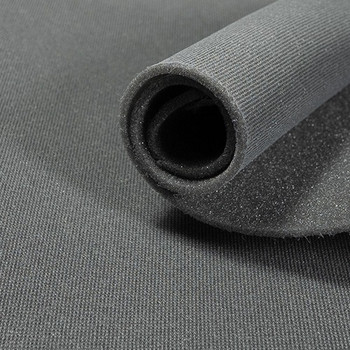
Foam Fabric 3mm thick
£8.99 per metreFoam Fabric 3mm Thick with Scrim Backing (140cm wide) is a versatile and practical material designed to add a soft cushioning effect and extra comfort to a wide range of applications. Whether used for upholstery, curtains, automotive interiors, or...£8.99 per metre -

Acoustic Foam 12mm (self adhesive backing)
£16.99 per metreAcoustic Foam 12mm with self-adhesive backing (1 metre wide) is a flexible, flame retardant, open-cell foam designed for excellent sound absorption. Made from impregnated polyether foam, it offers robust strength, controlled cell structure, and the...£16.99 per metre -
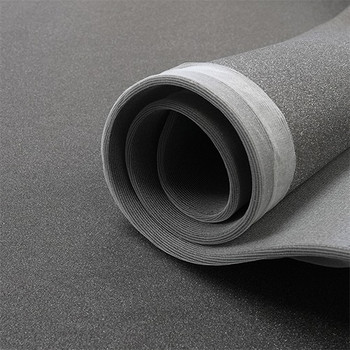
Foam Fabric, 6mm thick
£10.99 per metreFoam Fabric 6mm thick (150cm wide) with scrim backing is a versatile cushioning material designed to add comfort, protection, and durability across a wide range of applications. This medium-thickness foam is perfect for upholstery, automotive uses,...£10.99 per metre -
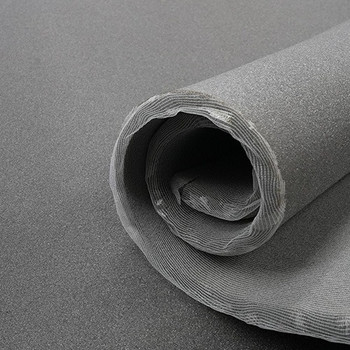
Foam Fabric 12mm thick
£13.99 per metreFoam Fabric 12mm thick (150cm wide) with scrim backing provides a soft cushioning layer for a variety of projects. Ideal for upholstery, curtain making, automotive applications, and fragile protection, this versatile foam adds comfort and durability...£13.99 per metre -

Acoustic Foam 6mm (self adhesive backing)
£13.99 per metreAcoustic Foam 6mm (Self-Adhesive, 100cm wide) is a flexible, flame-retardant, open-cell foam made from impregnated polyether. Despite its slim profile, this foam offers reliable sound absorption, reducing echoes, vibration, and airborne noise while...£13.99 per metre -

2mm Scrim Foam Clearance
£4.99 per metre2mm Scrim Foam for Upholstery, Automotive Trim, Padding & Craft Projects 2mm Scrim Foam is supplied as clearance cut lengths, it is a lightweight foam-backed material designed for upholstery, automotive trimming, vehicle headlining support, padding,...£4.99 per metre -

Foam Fabric, 18mm thick
£16.99 per metreFoam Fabric 18mm thick (150cm wide) with scrim backing provides a deep cushioning layer for a variety of projects. Perfect for upholstery, curtain making, automotive uses, and fragile protection, this versatile foam ensures comfort, durability, and...£16.99 per metre